Article Summary
A Hydraulic Motor is often treated like a standard catalog item, but in real working conditions, the wrong choice can trigger a chain of problems: weak starting torque, unstable low-speed performance, frequent leakage, overheating, noisy operation, and unexpected downtime. This article explains what a Hydraulic Motor does, why selection is often more difficult than it seems, and how buyers can compare torque, speed, pressure, efficiency, installation space, and operating environment in a more practical way.
We also break down common customer pain points, show how different operating demands affect motor choice, and explain why build quality and internal design matter just as much as headline specifications. If you are sourcing for construction equipment, winches, deck machinery, mining systems, drilling applications, or industrial drive units, this guide will help you make a more confident decision.
Article Outline
-
Define the working role of a Hydraulic Motor in an energy transmission system.
-
Identify the most common purchase mistakes and why spec sheets alone are not enough.
-
Connect technical selection factors with real customer pain points such as poor starting, creep, leakage, and maintenance costs.
-
Show a practical framework for comparing products before placing an order.
-
Explain how supplier capability influences consistency, support, and long-term operating value.
What Is a Hydraulic Motor and Why Is It So Important?
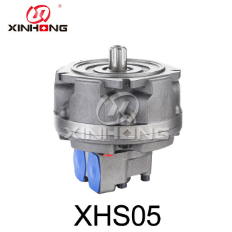
A Hydraulic Motor converts hydraulic energy into rotary mechanical output. In simple terms, it takes the pressure and flow created by a hydraulic system and turns that force into motion that can drive a winch, gearbox, crane, rotary mechanism, drilling setup, deck machine, or other heavy-duty equipment.
That sounds straightforward, but this is where many buying decisions go wrong. A motor may look suitable on paper, yet still perform badly in the field if it cannot handle frequent starts, pressure fluctuation, low-speed control, heavy loads, or long-hour continuous work. For that reason, a Hydraulic Motor should never be chosen by displacement or price alone.
In many industries, the motor is one of the parts operators notice only when something goes wrong. When startup feels weak, the machine hesitates under load, the system gets hotter than expected, or maintenance becomes too frequent, the motor often becomes the hidden cause behind lost time and rising service cost.
Practical takeaway: Customers do not really buy a motor only for rotation. They buy reliable torque, controllable speed, durable sealing, stable output, and fewer interruptions to production.
Why Do Buyers Often Struggle to Pick the Right Hydraulic Motor?
Many buyers face the same frustration: several products appear similar, supplier descriptions sound nearly identical, and technical sheets do not always explain how the unit will behave in a real machine. That is why selection can feel risky even for experienced purchasing teams.
Here are the most common reasons this happens:
-
The operating condition is more complex than the catalog description. A machine may require frequent starts, reverse motion, shock loads, or low-speed stability that standard comparison tables do not fully reflect.
-
The lowest price can hide higher operating costs. A cheaper motor may lead to lower efficiency, more leakage, shorter service life, or more downtime.
-
Some products look equivalent but are not built the same way internally. Bearing support, oil passage layout, sealing design, and casting strength can change performance dramatically.
-
Buyers sometimes focus on peak numbers instead of working behavior. Continuous duty, startup response, and control accuracy often matter more than a single headline figure.
That is exactly why many industrial buyers now evaluate a Hydraulic Motor as part of the full working system rather than as an isolated component.
What Problems Are Customers Usually Trying to Solve With a Better Hydraulic Motor?
The most serious customer pain points are rarely abstract. They usually show up in very specific ways on the job site or production floor.
|
Customer Pain Point
|
How It Appears in Daily Operation
|
Why It Matters
|
|
Weak starting torque
|
The machine stalls, hesitates, or needs repeated attempts to begin moving under load.
|
It slows down work and increases stress on the full hydraulic system.
|
|
Poor low-speed stability
|
The drive creeps, jerks, or moves unevenly during precision operation.
|
It reduces control quality and can affect operator safety and product handling.
|
|
Excessive internal leakage
|
Output feels weaker than expected and performance drops over time.
|
Energy is wasted and efficiency falls.
|
|
Heat buildup
|
The system runs hot during long cycles or high-load operation.
|
Heat can shorten seal life and increase maintenance frequency.
|
|
Frequent downtime
|
The motor needs repairs, replacement, or repeated troubleshooting.
|
Downtime is often more expensive than the component itself.
|
|
Mismatch with application
|
A motor that works in one setup performs poorly in another.
|
The wrong selection causes disappointment even if the product itself is not defective.
|
When customers say they need a more durable or more powerful Hydraulic Motor, they are often describing one or more of these operational problems. Good selection starts by identifying which pain point is hurting performance most.
How Can You Choose a Hydraulic Motor More Wisely?
A better purchase decision starts with better questions. Instead of asking only for price and model, buyers should ask how the motor will behave inside the exact application they are building or servicing.
-
What load must the motor start under? Startup behavior matters in cranes, winches, drilling equipment, and heavy rotary systems.
-
Will the motor run continuously or intermittently? Long-hour duty places greater demand on efficiency and thermal stability.
-
Is precise low-speed control required? If the answer is yes, internal friction and oil distribution design become more important.
-
What pressure and flow range will the system actually deliver? Real working conditions may differ from ideal design assumptions.
-
How much installation space is available? A compact motor is not always the same as an efficient or durable one.
-
What environment will it face? Dust, shock load, vibration, marine exposure, and temperature variation all affect product expectations.
The right answer is not always the biggest motor. It is the motor that gives stable output, survives the real duty cycle, and keeps the machine productive over time.
What Should You Compare Before Buying a Hydraulic Motor?
Before placing an order, compare products in a way that matches actual field performance rather than marketing language alone.
|
Comparison Point
|
What You Should Ask
|
Why It Helps
|
|
Starting torque
|
Can the motor start smoothly under real load conditions?
|
Prevents hesitation and under-load startup failure.
|
|
Mechanical efficiency
|
How much input energy is effectively converted into useful motion?
|
Improves power use and overall working performance.
|
|
Volumetric efficiency
|
How well does the motor control internal leakage over time?
|
Supports stronger and more stable output.
|
|
Low-speed behavior
|
Does the motor run smoothly in creep or precision motion range?
|
Important for accurate control and reduced vibration.
|
|
Structural strength
|
Are the castings and support structures designed for demanding service?
|
Reduces failure risk in heavy-duty environments.
|
|
Oil passage design
|
Is flow distribution optimized for lower loss and better response?
|
Supports more efficient and stable performance.
|
|
Supplier support
|
Can the supplier provide technical guidance, consistency, and follow-up?
|
Helps avoid costly selection mistakes and replacement delays.
|
This is where an experienced manufacturer can make a real difference. Ningbo Xinhong Hydraulic Co.,Ltd. is known in this product area for hydraulic drive solutions and related applications, and buyers often benefit when a supplier can discuss matching logic instead of only sending a quotation sheet.
Why Do Internal Design and Manufacturing Quality Matter So Much?
Two motors can look close in basic specification and still behave very differently in practice. That difference often comes from internal design choices and manufacturing control.
For example, startup friction, support bearing structure, oil duct layout, and internal distribution design all influence how a motor starts, how smoothly it runs at low speed, and how much energy is lost in operation. A stronger structure can also improve load capacity and durability in heavy-duty conditions.
Buyers who have experienced premature wear or unstable output usually learn this lesson quickly: quality is not only about whether the motor turns. It is about how consistently it turns, how long it keeps its performance, and how well it handles demanding cycles without becoming the weak point in the system.
-
Better structure can reduce friction during startup.
-
Better oil distribution can improve response and output consistency.
-
Better casting strength can support higher external and internal load demands.
-
Better manufacturing control can reduce variability from one batch to the next.
Which Applications Need Extra Attention When Choosing a Hydraulic Motor?
Not every application asks the same thing from a motor. A product that performs well in one installation may disappoint badly in another if the working priorities are different.
|
Application
|
Main Requirement
|
Selection Focus
|
|
Construction equipment
|
Strong output under variable load
|
Starting torque, durability, shock resistance
|
|
Winch systems
|
Smooth pull and controlled movement
|
Low-speed stability, torque consistency, braking compatibility
|
|
Deck machinery
|
Reliable operation in demanding environments
|
Structural strength, sealing, service stability
|
|
Mining equipment
|
Heavy-duty endurance
|
Load capacity, wear resistance, long-hour performance
|
|
Drilling systems
|
Stable rotation and pressure handling
|
Efficiency, pressure tolerance, continuous-duty behavior
|
|
Gearbox drives
|
Reliable power transmission
|
Matching with drive ratio, speed range, and installation layout
|
A smart buyer will always evaluate the application first and the model second. That simple reversal often prevents expensive mistakes.
What Should You Expect From a Reliable Hydraulic Motor Supplier?
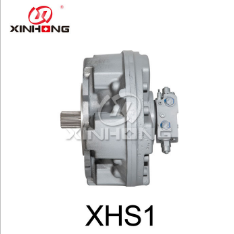
A reliable supplier should do more than send a PDF and a price. They should help you reduce uncertainty. That means discussing your application, confirming key working conditions, and guiding you toward a product that makes sense over the full service cycle.
In practical terms, a dependable supplier should be able to offer:
-
Clear communication on technical matching
-
Stable manufacturing quality
-
Reasonable lead times
-
Support for long-term cooperation rather than one-time sales
-
Confidence in product consistency for repeat orders
That matters because industrial purchasing is rarely about one unit. It is about whether your next order, replacement cycle, or customer project can move forward without unnecessary risk.
FAQ
1. What is the biggest mistake when buying a Hydraulic Motor?
The biggest mistake is choosing only by price or model size without checking startup load, operating pressure, duty cycle, and low-speed performance needs. A cheaper unit can become more expensive later if it causes downtime or repeated replacement.
2. Why is starting torque so important?
Starting torque determines whether the motor can begin moving smoothly under load. In heavy equipment, poor startup can lead to hesitation, inefficiency, and added strain across the hydraulic system.
3. Can one Hydraulic Motor fit every application?
No. Different applications need different strengths. A winch system may prioritize smooth low-speed control, while mining equipment may care more about load capacity and long-term durability.
4. How can I judge whether a motor will last?
Look beyond the headline specification. Ask about internal design, support structure, efficiency behavior, sealing reliability, material strength, and supplier consistency. Long-term stability usually reflects engineering depth, not just catalog numbers.
5. When should I speak directly with the manufacturer?
You should do that whenever your system has unusual load conditions, limited installation space, continuous-duty requirements, or recurring reliability issues. Direct technical communication can save significant cost later.