In modern construction, logistics, and heavy-duty lifting operations, the performance of an autocrane depends heavily on the efficiency of its transmission system. One of the most critical components in this system is the Hydraulic Reducer for Autocrane. This specialized device reduces rotational speed while increasing torque, enabling cranes to lift heavy loads smoothly and safely.
This article explores how hydraulic reducers work, why they are essential for autocranes, and how they improve lifting precision, stability, and durability. It also examines key features, advantages, and maintenance considerations. With insights into modern engineering solutions and reliable manufacturers such as Xinhong, this guide helps industry professionals understand how selecting the right reducer can significantly enhance crane performance.
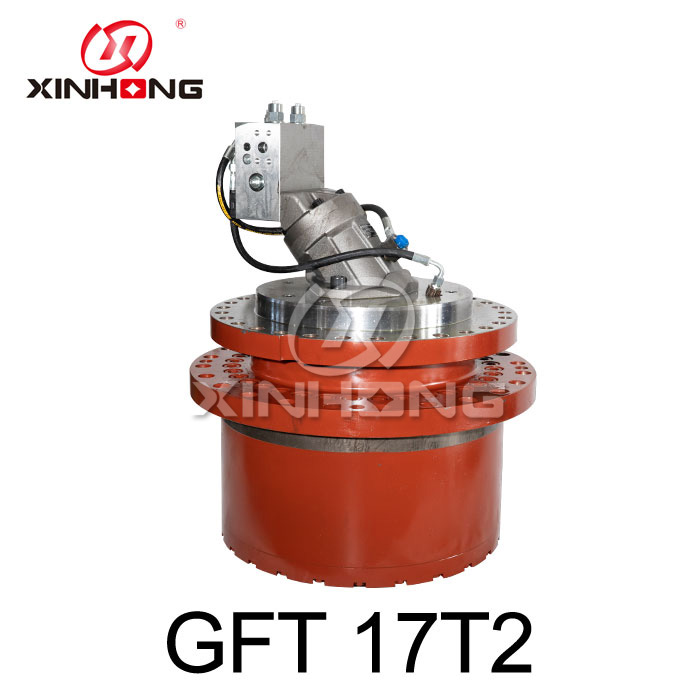
Table of Contents
What Is a Hydraulic Reducer for Autocrane?
A Hydraulic Reducer for Autocrane is a mechanical transmission device designed to reduce the rotational speed of a hydraulic motor while increasing output torque. In autocrane systems, this component plays a crucial role in converting hydraulic power into controlled mechanical motion.
Autocranes require powerful yet precise lifting capabilities. Without a reducer, the hydraulic motor would rotate too quickly and lack the necessary torque to handle heavy loads. The reducer ensures stable motion and smooth lifting operations.
For detailed product specifications and engineering solutions, you can explore Hydraulic Reducer for Autocrane solutions provided by experienced manufacturers.
Typical autocrane reducers integrate:
-
Planetary gear systems
-
Hydraulic motor connections
-
High-strength bearings
-
Durable sealing structures
-
Heavy-duty housings
Why Is a Hydraulic Reducer Essential for Autocrane Systems?
Autocranes perform complex lifting operations that demand stability, power, and precise control. A hydraulic reducer fulfills these requirements by optimizing torque output and ensuring efficient energy transmission.
Main Reasons Hydraulic Reducers Are Essential
-
Increase lifting torque
-
Control rotational speed
-
Improve operational stability
-
Enhance load safety
-
Extend equipment lifespan
Without a reducer, crane motors would struggle to generate the torque required for lifting heavy materials such as steel beams, construction equipment, and large industrial components.
How Does a Hydraulic Reducer Work in an Autocrane?
A hydraulic reducer works by combining hydraulic motor power with planetary gear mechanisms. The process converts high-speed hydraulic rotation into controlled torque output suitable for lifting operations.
Working Principle
-
The hydraulic motor generates rotational power.
-
The reducer receives the high-speed input.
-
Planetary gears reduce the rotation speed.
-
The system multiplies torque output.
-
The crane lifting system receives controlled mechanical power.
This mechanism allows autocranes to lift extremely heavy loads while maintaining smooth and precise movements.
Key Features of High-Quality Hydraulic Reducers
Modern hydraulic reducers are engineered with advanced materials and precision manufacturing technologies. Leading manufacturers such as Xinhong focus on delivering reliable reducers that perform efficiently under demanding working conditions.
|
Feature
|
Description
|
Benefit
|
|
Planetary Gear System
|
Multi-stage gear design
|
High torque transmission
|
|
Compact Structure
|
Space-saving engineering
|
Easy installation
|
|
High Load Capacity
|
Designed for heavy lifting
|
Improved safety
|
|
Durable Materials
|
High-strength alloy steel
|
Extended service life
|
|
Precision Machining
|
Accurate gear alignment
|
Smooth operation
|
Technical Advantages in Heavy Lifting Applications
Hydraulic reducers offer several technical advantages that make them indispensable for autocranes operating in construction sites, ports, and industrial facilities.
Key Technical Benefits
-
High torque output for heavy lifting
-
Smooth and controlled movement
-
Reduced mechanical stress
-
Improved energy efficiency
-
Lower maintenance requirements
These benefits allow crane operators to achieve precise load positioning while minimizing operational risks.
Applications of Hydraulic Reducers in Autocranes
Hydraulic reducers are widely used in different autocrane subsystems. Their reliability and efficiency make them suitable for various heavy-duty tasks.
Typical Applications
-
Crane hoisting mechanisms
-
Slewing systems
-
Winch drives
-
Load positioning systems
-
Heavy-duty lifting equipment
Construction companies rely on robust reducer systems to ensure smooth operation even in challenging environments.
Hydraulic Reducer vs Traditional Gear Systems
|
Feature
|
Hydraulic Reducer
|
Traditional Gear System
|
|
Torque Output
|
Very High
|
Moderate
|
|
Efficiency
|
High
|
Medium
|
|
Load Handling
|
Excellent
|
Limited
|
|
Precision
|
High
|
Lower
|
|
Maintenance
|
Lower
|
Higher
|
The comparison clearly shows why hydraulic reducers have become the preferred choice for modern autocrane systems.
How to Choose the Right Hydraulic Reducer for Your Crane
Selecting the correct reducer requires careful evaluation of crane specifications and operational requirements.
Important Selection Factors
-
Torque requirements
-
Reduction ratio
-
Operating environment
-
Load capacity
-
Compatibility with hydraulic motor
Reliable manufacturers such as Xinhong provide customized solutions to ensure the reducer matches the specific demands of different crane models.
Maintenance Tips to Extend Reducer Lifespan
Proper maintenance helps maximize the performance and longevity of hydraulic reducers.
Maintenance Best Practices
-
Regular lubrication checks
-
Inspection of seals and bearings
-
Monitoring of operating temperature
-
Periodic oil replacement
-
Routine gear inspection
Following these practices reduces downtime and ensures reliable crane operation.
Future Trends in Hydraulic Transmission Technology
The future of autocrane technology is closely linked to advancements in hydraulic transmission systems. Engineers are developing smarter reducers with improved efficiency and monitoring capabilities.
Emerging Trends
-
Smart monitoring systems
-
High-efficiency gear materials
-
Lightweight structural designs
-
Improved sealing technologies
-
Energy-saving hydraulic systems
These innovations will further enhance crane performance, safety, and sustainability in the coming years.
Frequently Asked Questions
1. What does a hydraulic reducer do in an autocrane?
A hydraulic reducer lowers motor speed while increasing torque, enabling cranes to lift heavy loads safely and efficiently.
2. Why are planetary reducers commonly used in cranes?
Planetary gear systems provide high torque density, compact structure, and excellent load distribution, making them ideal for crane applications.
3. How long does a hydraulic reducer typically last?
With proper maintenance and lubrication, a high-quality reducer can operate reliably for many years in heavy-duty environments.
4. Can hydraulic reducers improve crane safety?
Yes. They provide stable torque transmission and precise movement control, reducing the risk of sudden load shifts.
5. How do I know if my reducer needs maintenance?
Signs include abnormal noise, overheating, reduced lifting efficiency, and oil leakage.
Conclusion
The Hydraulic Reducer for Autocrane is a vital component that directly affects lifting performance, operational safety, and equipment durability. By converting high-speed hydraulic motor output into powerful torque, the reducer enables cranes to handle heavy loads with precision and stability.
As construction and industrial projects continue to demand higher efficiency and reliability, advanced reducer technology will play an increasingly important role in crane engineering.
Manufacturers such as Xinhong continue to develop innovative hydraulic reducer solutions that meet the evolving needs of modern autocrane systems. Choosing the right reducer and maintaining it properly can significantly enhance crane productivity and reduce long-term operational costs.
If you are looking for high-performance hydraulic transmission solutions for heavy lifting equipment, professional guidance can help you select the ideal system for your application. contact us today to learn more about advanced hydraulic reducer technologies and customized solutions for your crane systems.