Article Summary: A hydrostatic winch reducer is a critical component in modern hydraulic winch systems, designed to deliver high torque, smooth speed control, and superior reliability in demanding environments. This in-depth guide explains how hydrostatic winch reducers work, their advantages over mechanical reducers, key applications, selection criteria, and maintenance best practices.
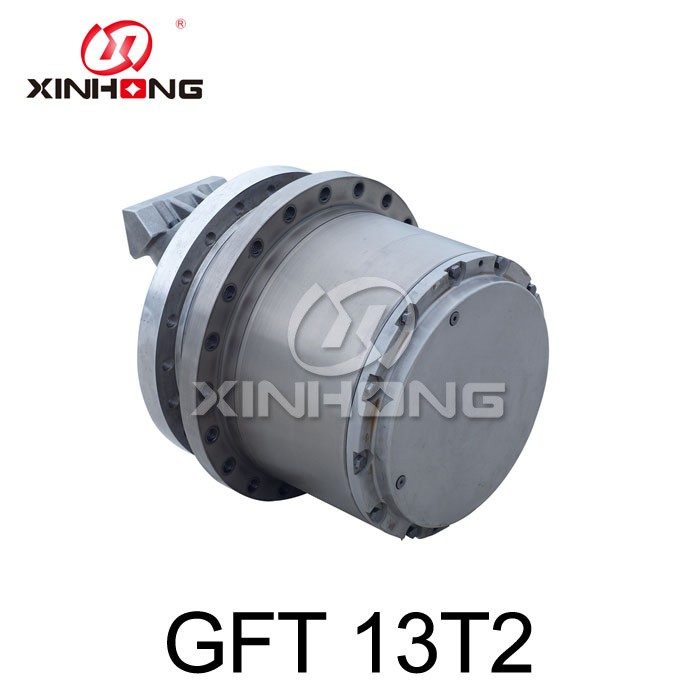
1. What Is a Hydrostatic Winch Reducer?
A hydrostatic winch reducer is a hydraulic transmission component used in winch systems to reduce rotational speed while significantly increasing output torque. Unlike traditional mechanical gear reducers, hydrostatic reducers rely on hydraulic fluid power to transmit energy, offering smoother operation and greater control.
These reducers are commonly integrated with hydraulic motors and are essential for applications where precise load handling, variable speed control, and high reliability are required—such as construction, offshore, mining, and marine industries.
According to industry practices, hydrostatic winch reducers are especially valuable in environments with heavy loads, frequent starts and stops, and fluctuating operating conditions.
2. How Does a Hydrostatic Winch Reducer Work?
The working principle of a hydrostatic winch reducer is based on hydraulic power transmission. Pressurized hydraulic oil flows from a pump to a hydraulic motor, which converts fluid energy into mechanical rotation. The reducer then lowers the motor speed while multiplying torque.
Key Operating Steps:
-
Hydraulic pump generates pressurized oil flow
-
Hydraulic motor converts fluid pressure into rotational motion
-
Reducer lowers output speed and increases torque
-
Winch drum rotates smoothly under controlled force
This hydrostatic transmission allows continuous speed variation without mechanical shifting, ensuring smooth winch operation even under extreme loads.
3. Key Benefits of Hydrostatic Winch Reducers
-
High Torque Output: Ideal for lifting and pulling heavy loads
-
Smooth Speed Control: Precise movement without jerking
-
Overload Protection: Hydraulic systems absorb shock loads effectively
-
Compact Design: High power density saves installation space
-
Reduced Mechanical Wear: Fewer direct-contact components
-
Excellent Reliability: Suitable for harsh and continuous-duty environments
These advantages make hydrostatic winch reducers a preferred choice in modern hydraulic winch systems supplied by professional manufacturers such as Xinhong.
4. Hydrostatic vs Mechanical Winch Reducers
|
Feature
|
Hydrostatic Winch Reducer
|
Mechanical Gear Reducer
|
|
Speed Control
|
Stepless, smooth
|
Fixed gear ratios
|
|
Shock Load Handling
|
Excellent
|
Limited
|
|
Maintenance
|
Lower mechanical wear
|
Higher due to gear contact
|
|
Efficiency at Variable Loads
|
High
|
Moderate
|
|
Application Flexibility
|
Very high
|
Limited
|
5. Common Applications of Hydrostatic Winch Reducers
Hydrostatic winch reducers are widely used across multiple industries:
-
Construction cranes and lifting equipment
-
Marine and offshore winches
-
Mining and drilling machinery
-
Forestry and logging winches
-
Industrial pulling and tensioning systems
Their adaptability makes them suitable for both mobile and stationary winch systems.
6. Main Components and Design Features
A typical hydrostatic winch reducer consists of:
-
Hydraulic motor
-
Planetary or integrated reducer unit
-
Housing and mounting flange
-
Sealing and lubrication system
-
Brake and safety components
High-quality materials and precision machining are essential to ensure durability and long service life.
7. How to Choose the Right Hydrostatic Winch Reducer
When selecting a hydrostatic winch reducer, consider the following factors:
-
Required torque and load capacity
-
Operating pressure and flow rate
-
Duty cycle and working environment
-
Mounting configuration and space limitations
-
Compatibility with hydraulic motor
Consulting with experienced suppliers like Xinhong helps ensure optimal performance and system reliability.
8. Maintenance and Service Considerations
Proper maintenance extends the life of a hydrostatic winch reducer:
-
Regular hydraulic oil inspection and replacement
-
Monitoring seals and connections for leaks
-
Ensuring correct operating pressure
-
Periodic system performance checks
Preventive maintenance reduces downtime and enhances operational safety.
9. Why Manufacturer Expertise Matters
Choosing a reliable manufacturer is critical for hydrostatic winch reducer performance. Experienced companies invest in advanced design, strict quality control, and application-specific customization.
Xinhong focuses on providing durable and efficient hydrostatic winch reducers tailored to diverse industrial needs, helping customers achieve stable and long-term operation.
10. Frequently Asked Questions (FAQ)
Q1: What is the main advantage of a hydrostatic winch reducer?
The main advantage is smooth, stepless speed control combined with high torque output, especially under heavy loads.
Q2: Are hydrostatic winch reducers suitable for harsh environments?
Yes. They are widely used in marine, offshore, mining, and construction environments due to their reliability and shock resistance.
Q3: How long does a hydrostatic winch reducer last?
With proper maintenance, a high-quality reducer can operate reliably for many years.
Q4: Can hydrostatic winch reducers be customized?
Yes. Many manufacturers, including Xinhong, offer customization based on torque, mounting, and application requirements.
If you are looking for a reliable and efficient hydrostatic winch reducer solution for your application, partnering with an experienced manufacturer makes all the difference. Contact us today to discuss your requirements and discover how Xinhong can support your hydraulic winch system needs.